The library / 20 instruments

Inside the instrument.

Twenty studies of how energy becomes sound: the excitation, the resonator, and the choices that give a sound its character.

20 results
Plucked strings

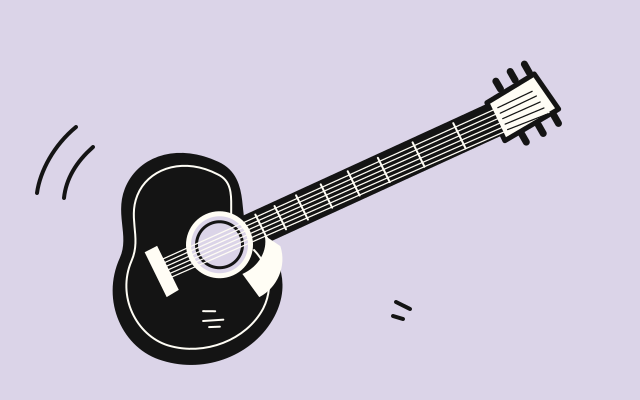
Acoustic guitar

A plucked string needs a bridge, a responsive body and moving air to become a room-filling sound.

View study
Strings & electronics

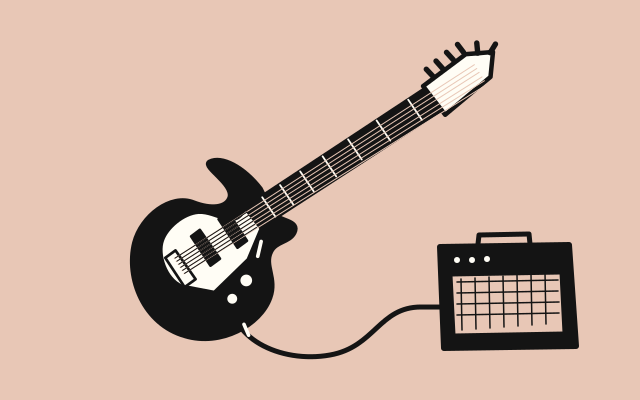
Electric guitar

A magnetic pickup turns a moving string into a signal, and the amplifier becomes part of the instrument.

View study
Bowed strings

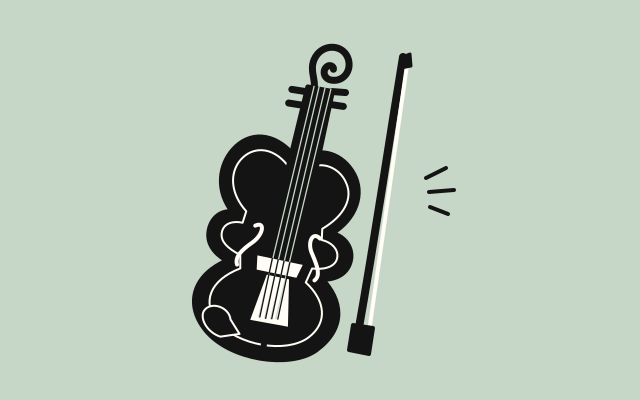
Violin

The bow continually supplies energy; the bridge and body determine how that energy reaches the air.

View study
Struck strings

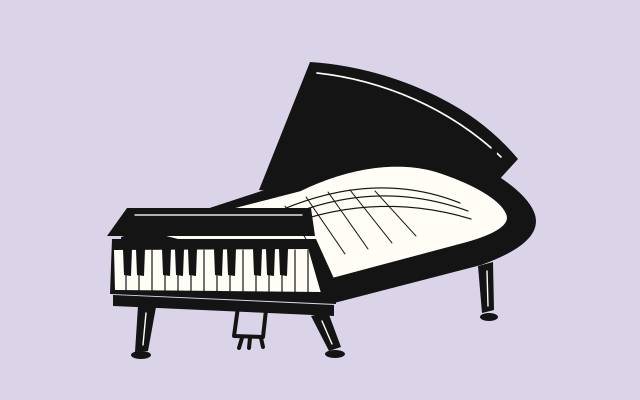
Piano

A brief hammer strike starts a complex event involving strings, bridges, a soundboard and dampers.

View study
Plucked strings

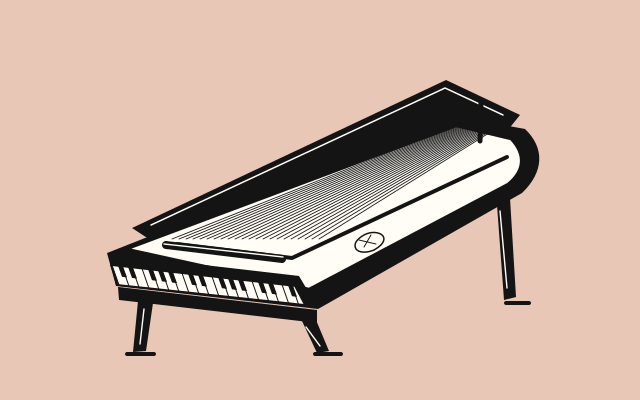
Harpsichord

A keyboard can pluck rather than strike: the mechanism changes how a player shapes each phrase.

View study
Plucked strings

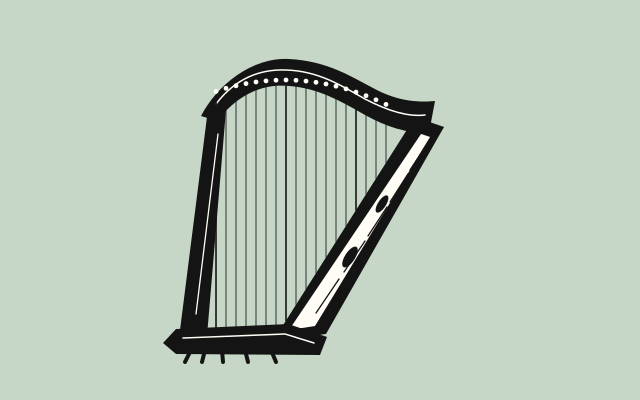
Harp

Separate plucked strings can ring together, making the end of one note part of the beginning of the next.

View study
Air jets

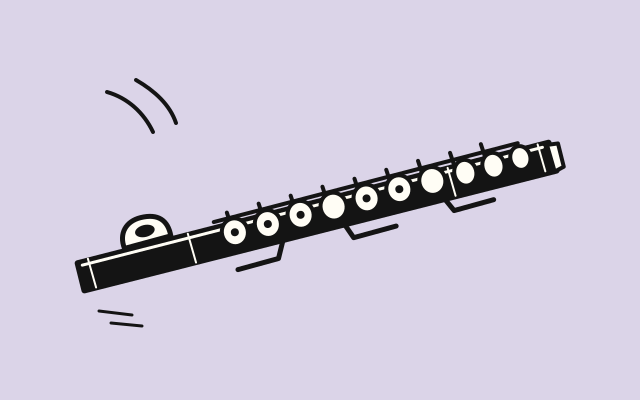
Flute

A jet of air and a resonating bore cooperate to turn a continuous breath into an oscillating sound.

View study
Air jets

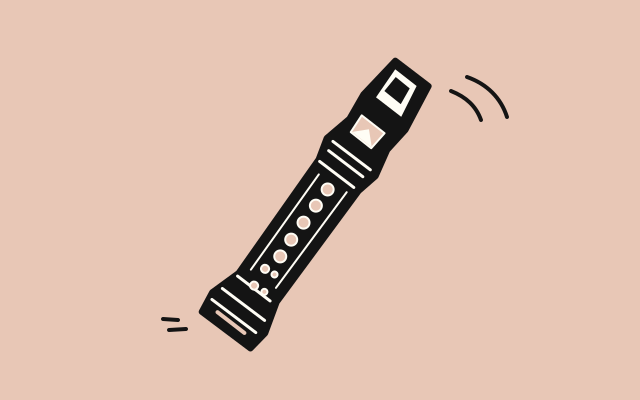
Recorder

A built-in windway directs the jet, leaving breath, fingering and articulation to shape the result.

View study
Air jets

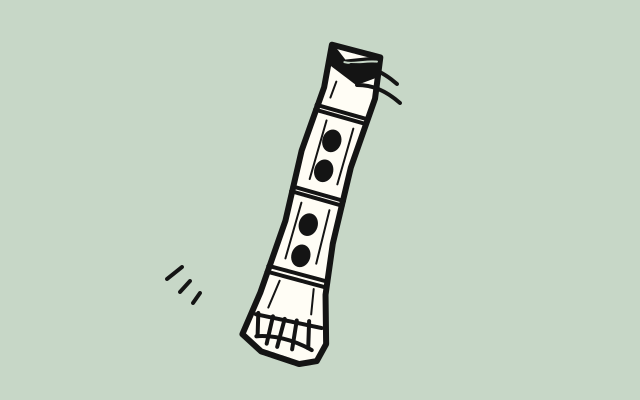
Shakuhachi

On this Japanese end-blown flute, the player’s face is part of the acoustic boundary.

View study
Reeds

Clarinet

A flexible reed and nearly cylindrical bore form a feedback system with a distinctive low-register pattern.

View study
Reeds

Saxophone

A single reed can drive a conical bore quite differently from a clarinet’s nearly cylindrical one.

View study
Reeds

Oboe

Two flexible reed blades regulate airflow into a conical bore, producing a strongly shaped periodic flow.

View study
Lip reeds

Trumpet

Vibrating lips and a shaped air column cooperate; valves change the available resonance pattern.

View study
Lip reeds

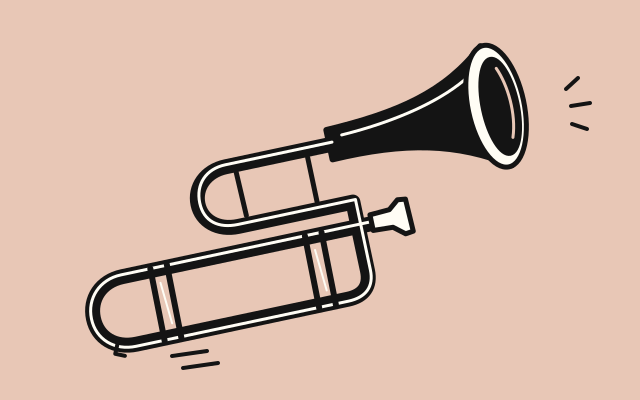
Trombone

A sliding acoustic path makes length a continuous performance control rather than a set of button choices.

View study
Air columns

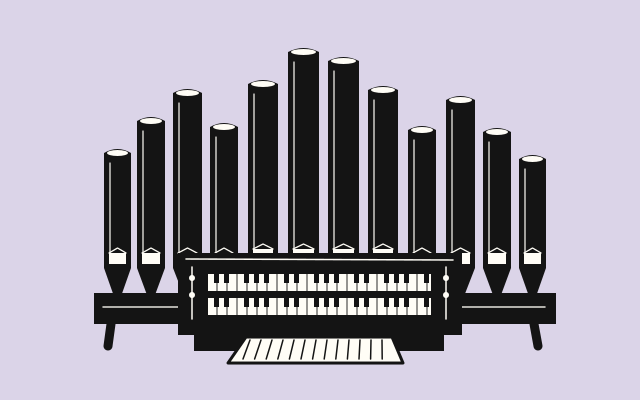
Pipe organ

A keyboard controls wind to selected pipes; pipe families can use either air jets or vibrating reeds.

View study
Membranes & percussion

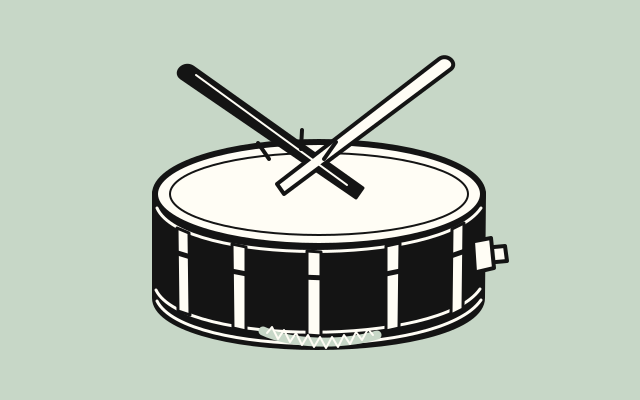
Snare drum

A struck head, a second head and rattling snares combine a resonant event with a noisy component.

View study
Membranes & percussion

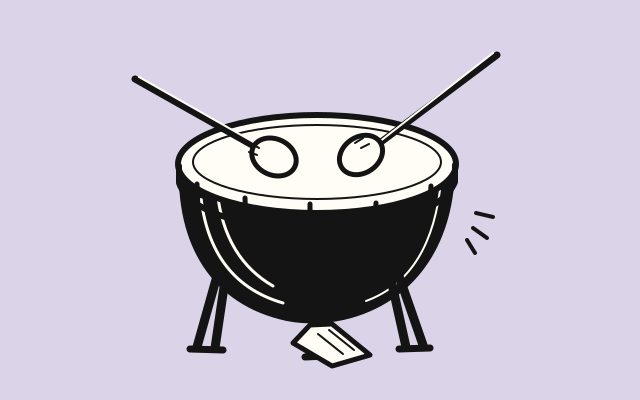
Timpani

A membrane and the air around its kettle can organise selected modes into a recognisable pitch.

View study
Bars & percussion

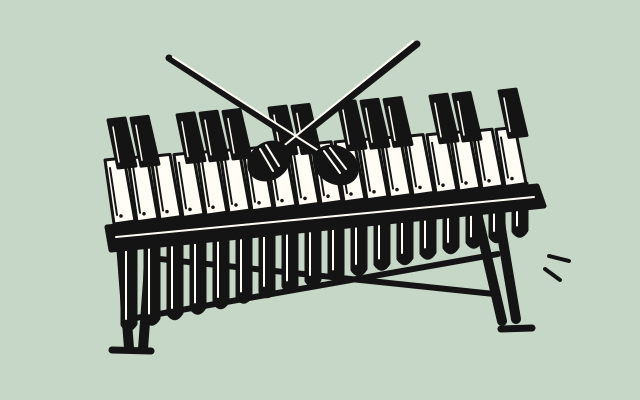
Marimba

A shaped wooden bar and a tuned air resonator cooperate, but they do different acoustic jobs.

View study
Voice

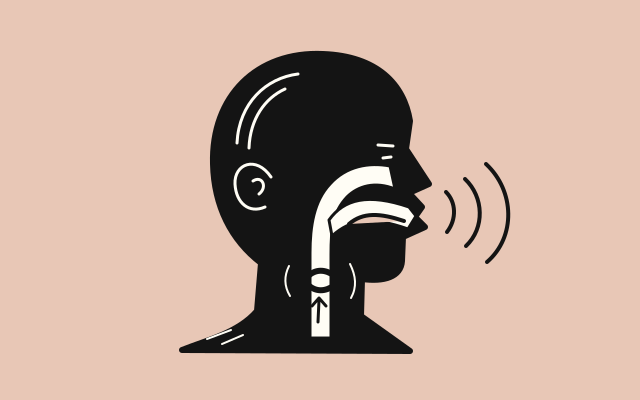
Singing voice

Vocal-fold motion supplies a source, while the changing vocal tract shapes the spectrum that reaches a listener.

View study
Electronic sound

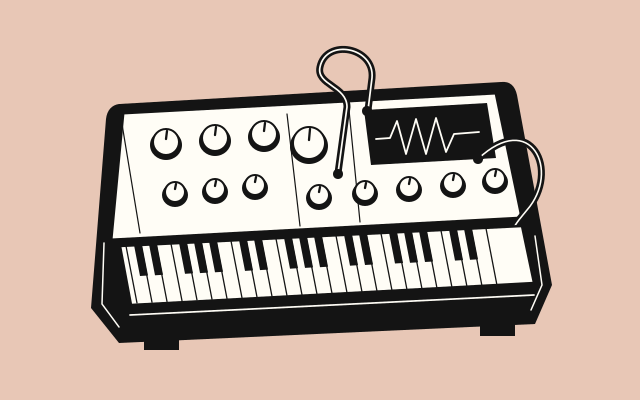
Subtractive synthesizer

An oscillator supplies a rich signal, a filter shapes its spectrum, and an envelope gives the note its time pattern.

View study